Products
It starts with possibility.
These are the five forms it is made in today — each one does what Styrofoam™ does, then composts in under 90 days.
01 / 05
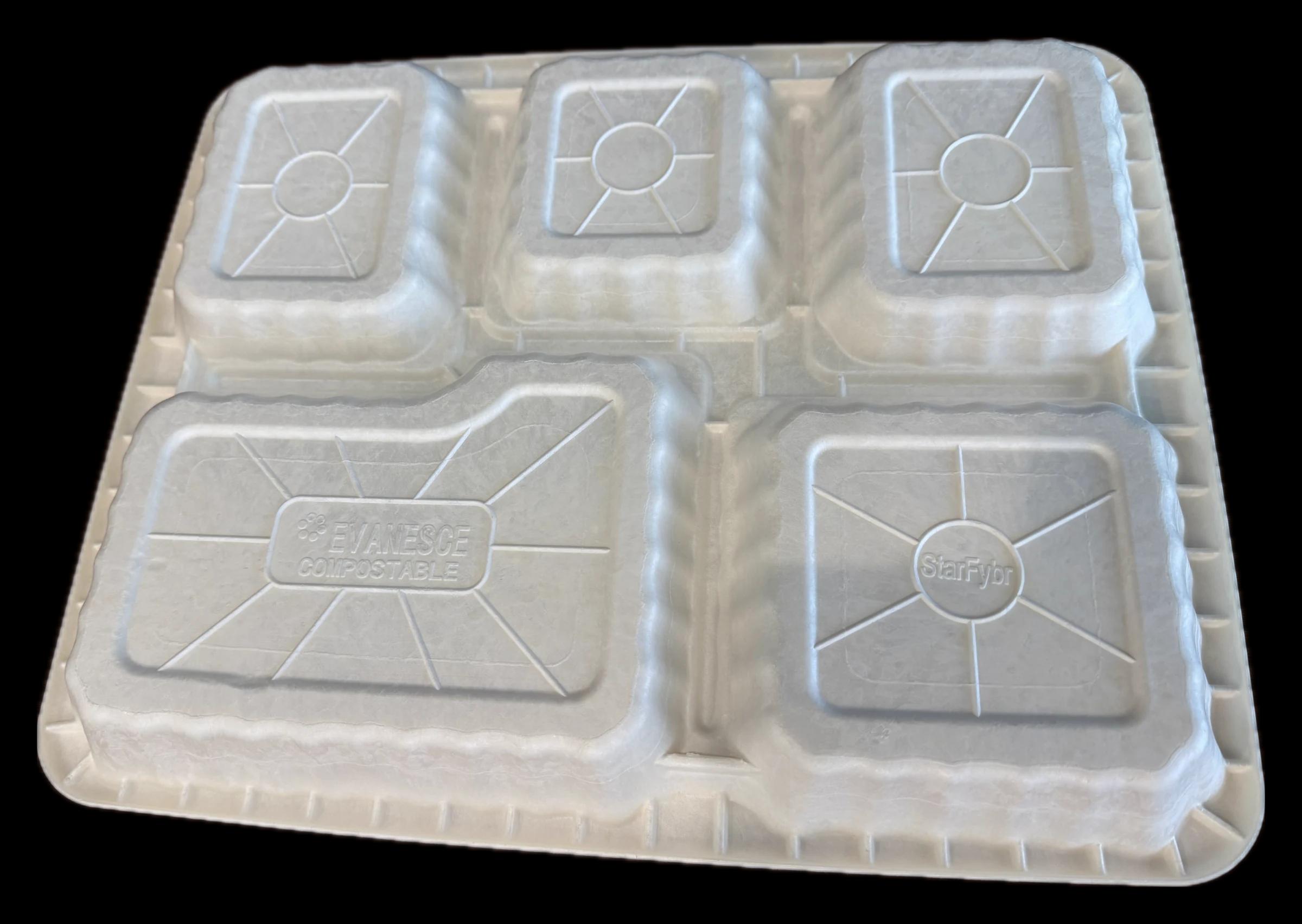
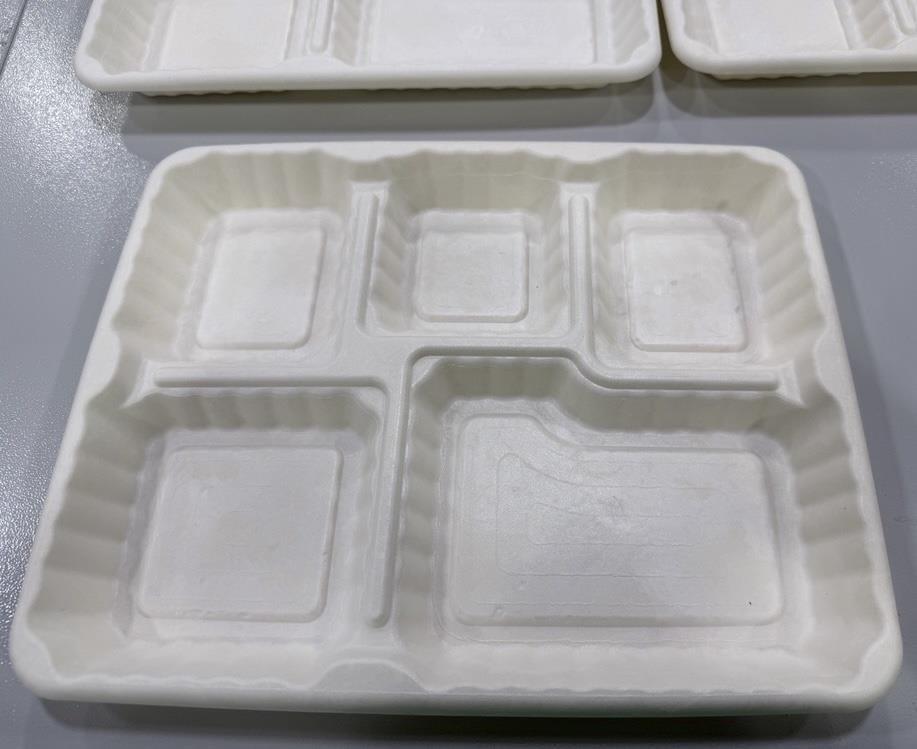
Meal trays
Multi-compartment trays for schools, hospitals, the military and corrections: the cafeteria tray, used by the billion every year.
- Replaces
- Expanded polystyrene meal trays
- What it does
- Rigid when loaded · Oven, microwave and freezer safe · Runs on existing high-speed packing lines
- Status
- In trial: a five-compartment tray pilot at a US military training base, and trials with corrections food services.
02 / 05
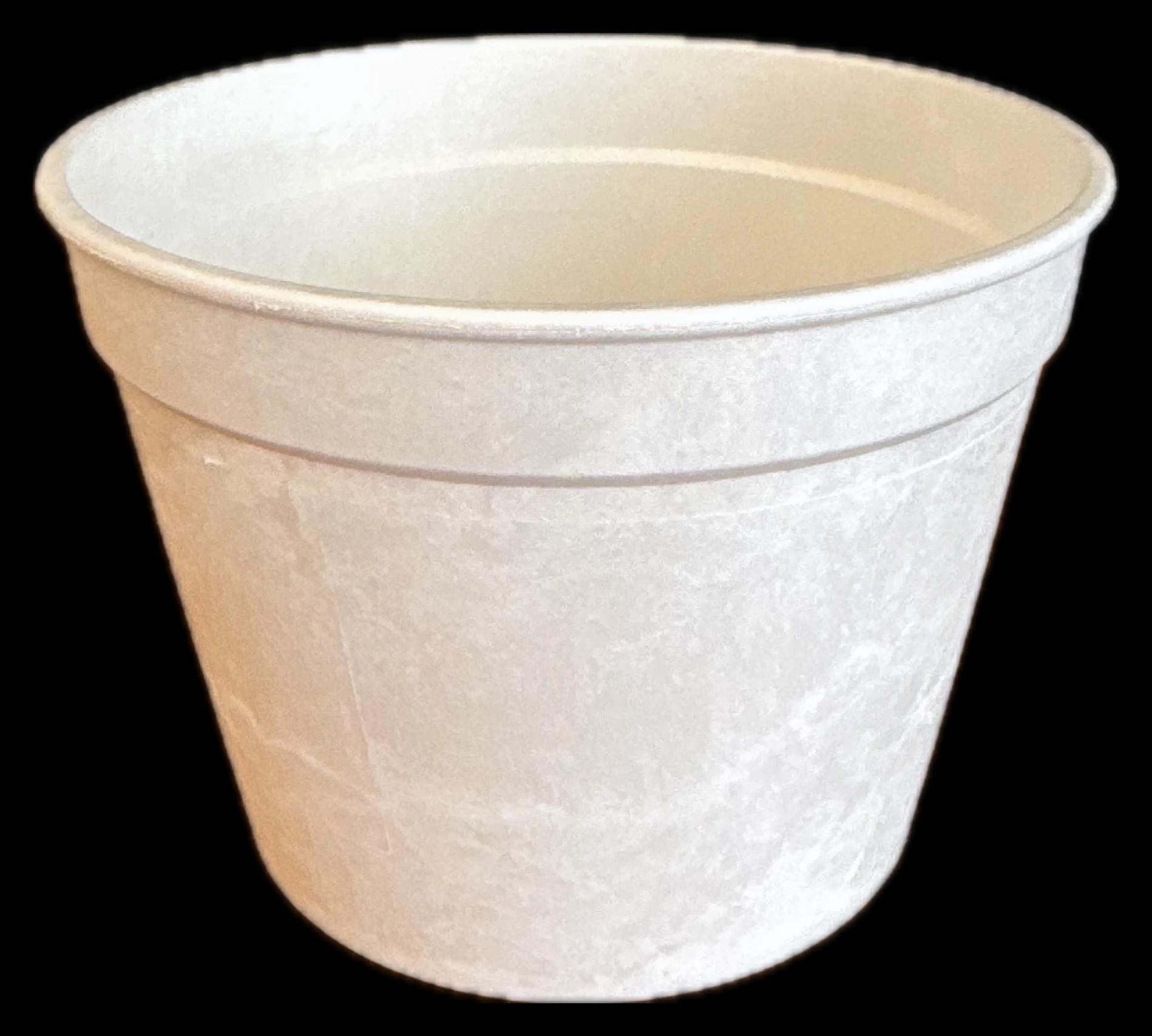
Bowls
Soup, noodle and meal bowls that go from freezer to microwave and hold heat the way foam does.
- Replaces
- Expanded polystyrene bowls and soup containers
- What it does
- Insulating · Oven, microwave and freezer safe · Food-grade
03 / 05
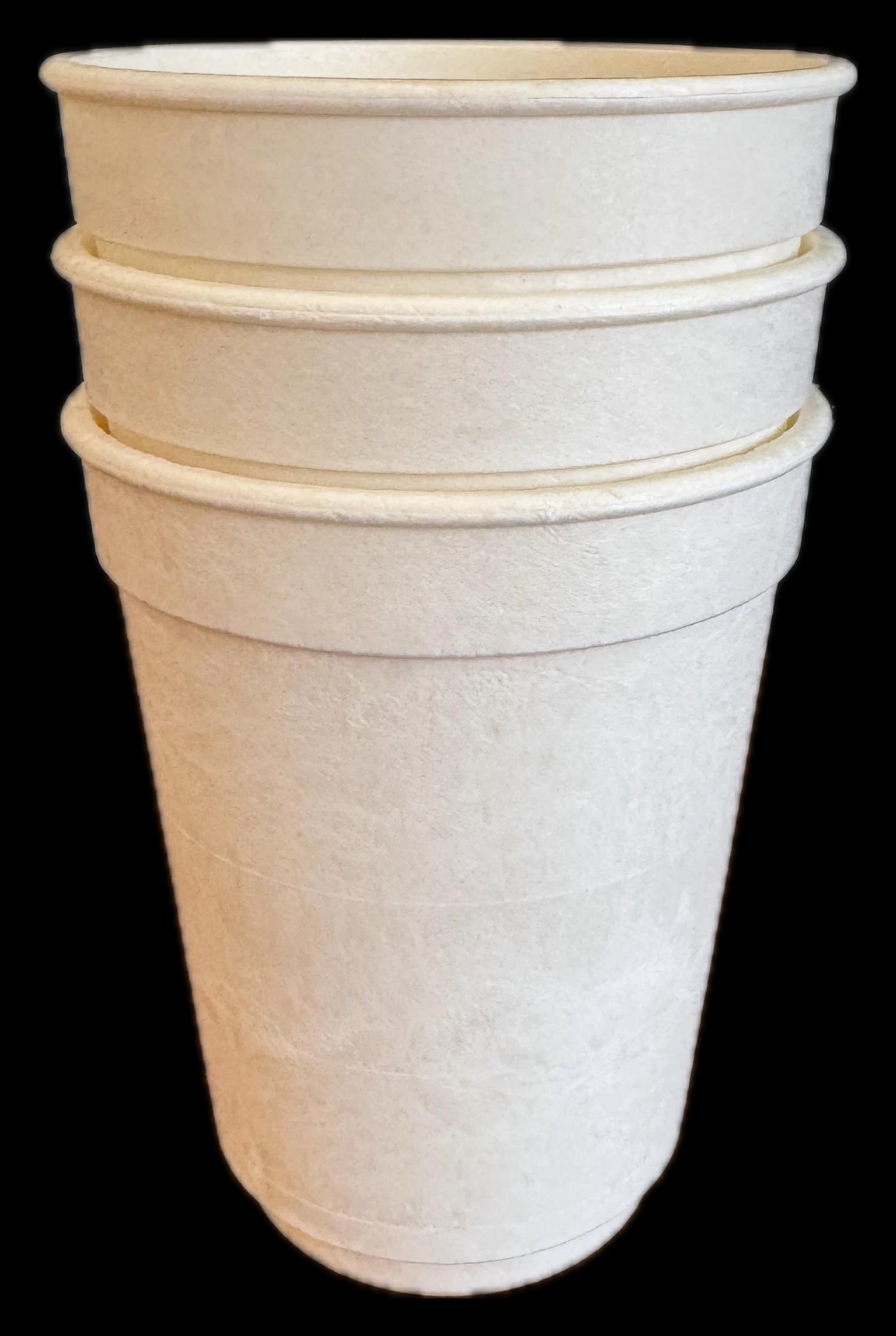
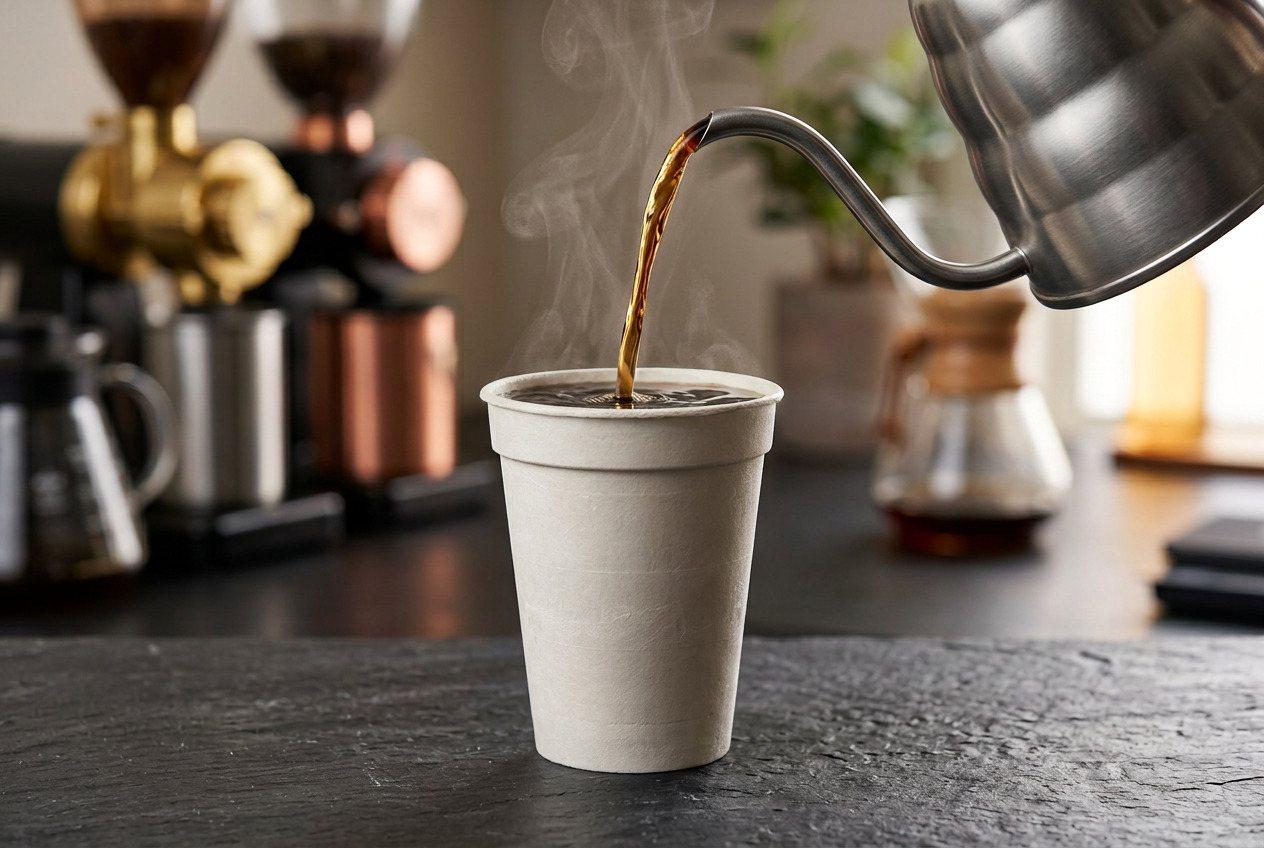
Hot and cold cups
The coffee cup, without the foam. It insulates like foam and feels better at the lip. Compostable lids and straws are available to match.
- Replaces
- Styrofoam™ cups
- What it does
- Insulating · A better feel at the lip than foam · Food-grade
- Status
- In trial: in-market testing in the EU with the logistics partner of a global quick-service restaurant chain, with a pilot planned in Canada.
EU foam cup ban since July 2021 (Directive (EU) 2019/904, Article 5)
04 / 05
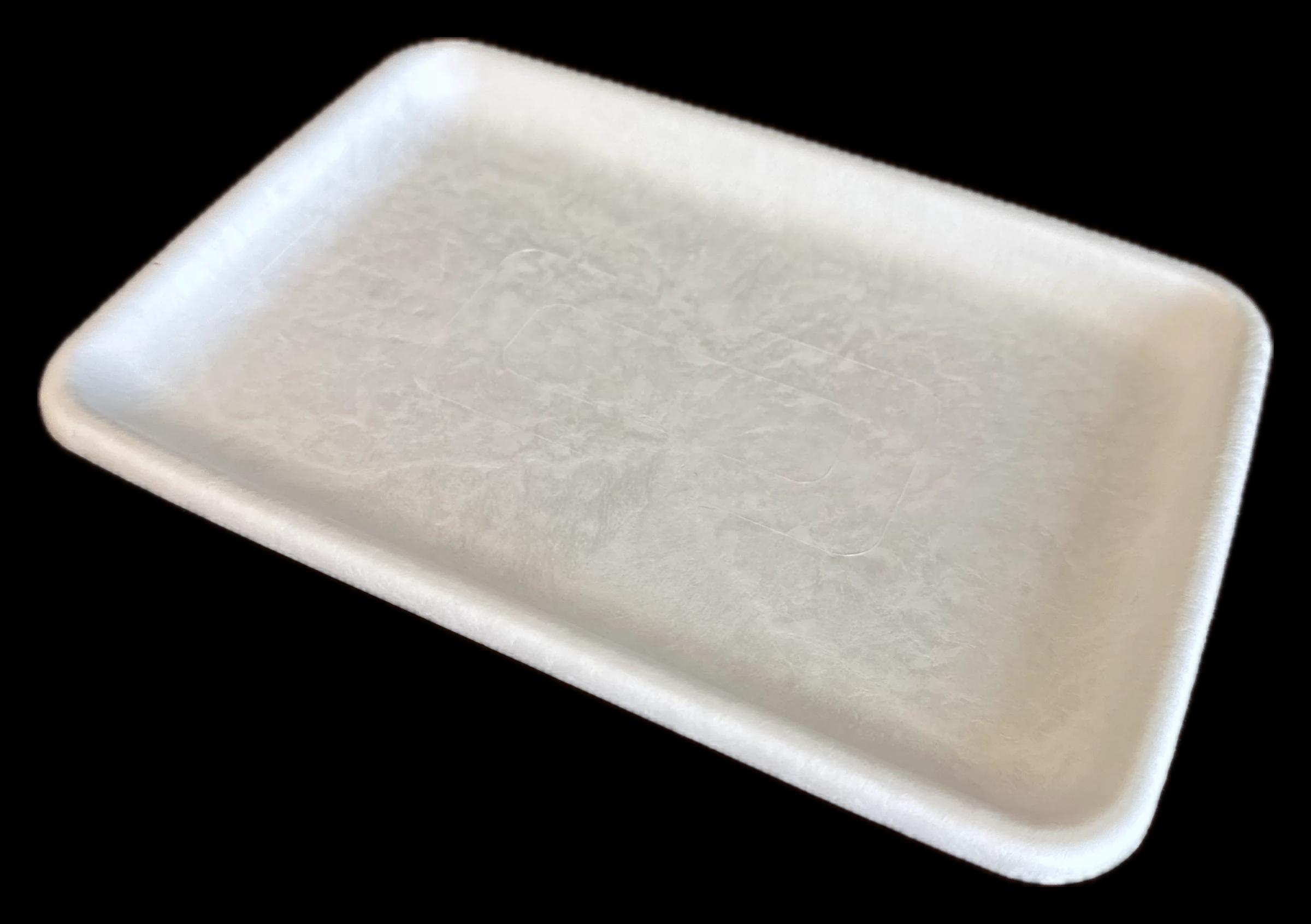
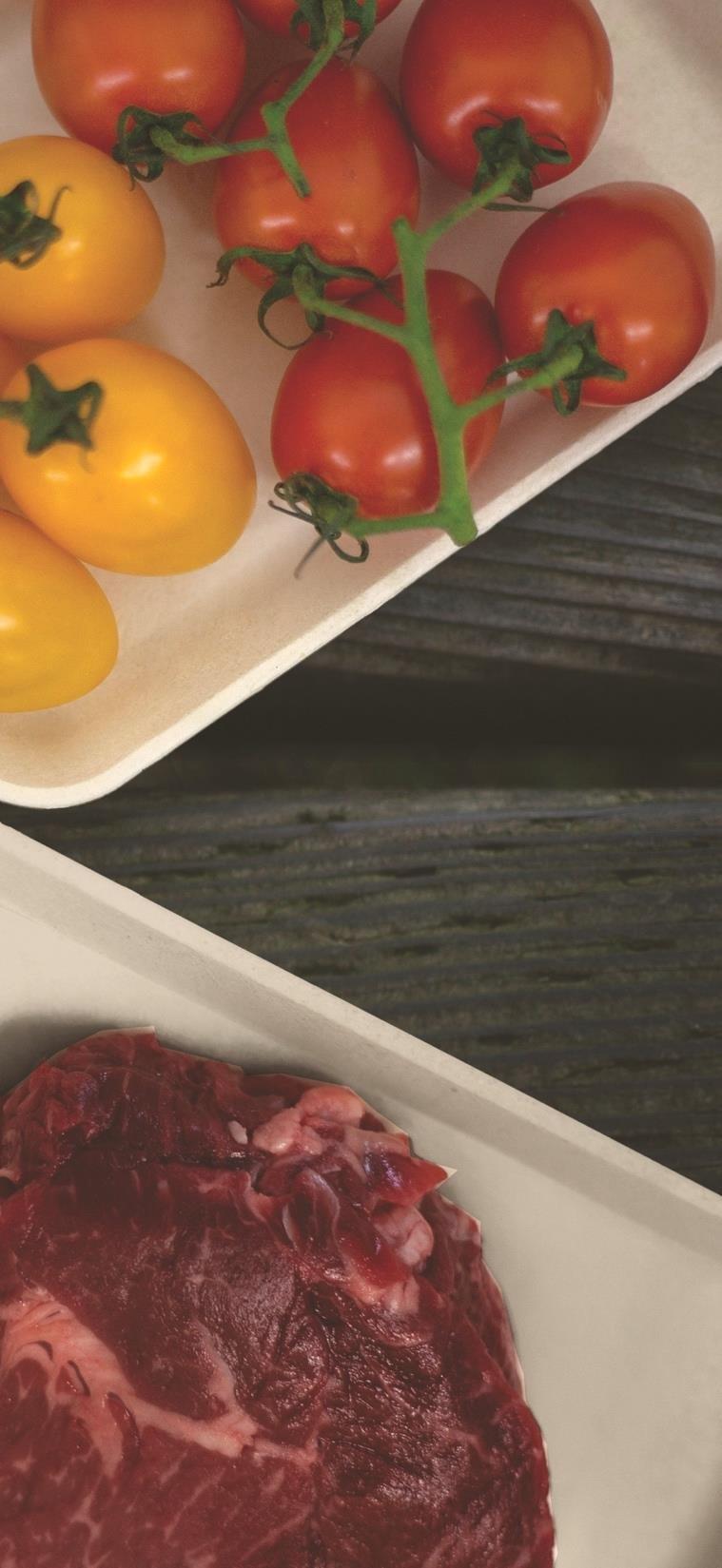
Meat and produce trays
The grocery tray under fresh meat, poultry and produce, made to run on the high-speed packing lines that fill foam trays today, with no material equipment change.
- Replaces
- Foam meat and produce trays
- What it does
- Runs on existing high-speed packing lines · Rigid under a wrapped load · Freezer safe
- Status
- In trial: trialled and tested as a replacement for foam trays for one of North America's largest meat processors.
North American foam trays, USD 953.6m in 2020 (Transparency Market Research)
05 / 05
Medical packaging
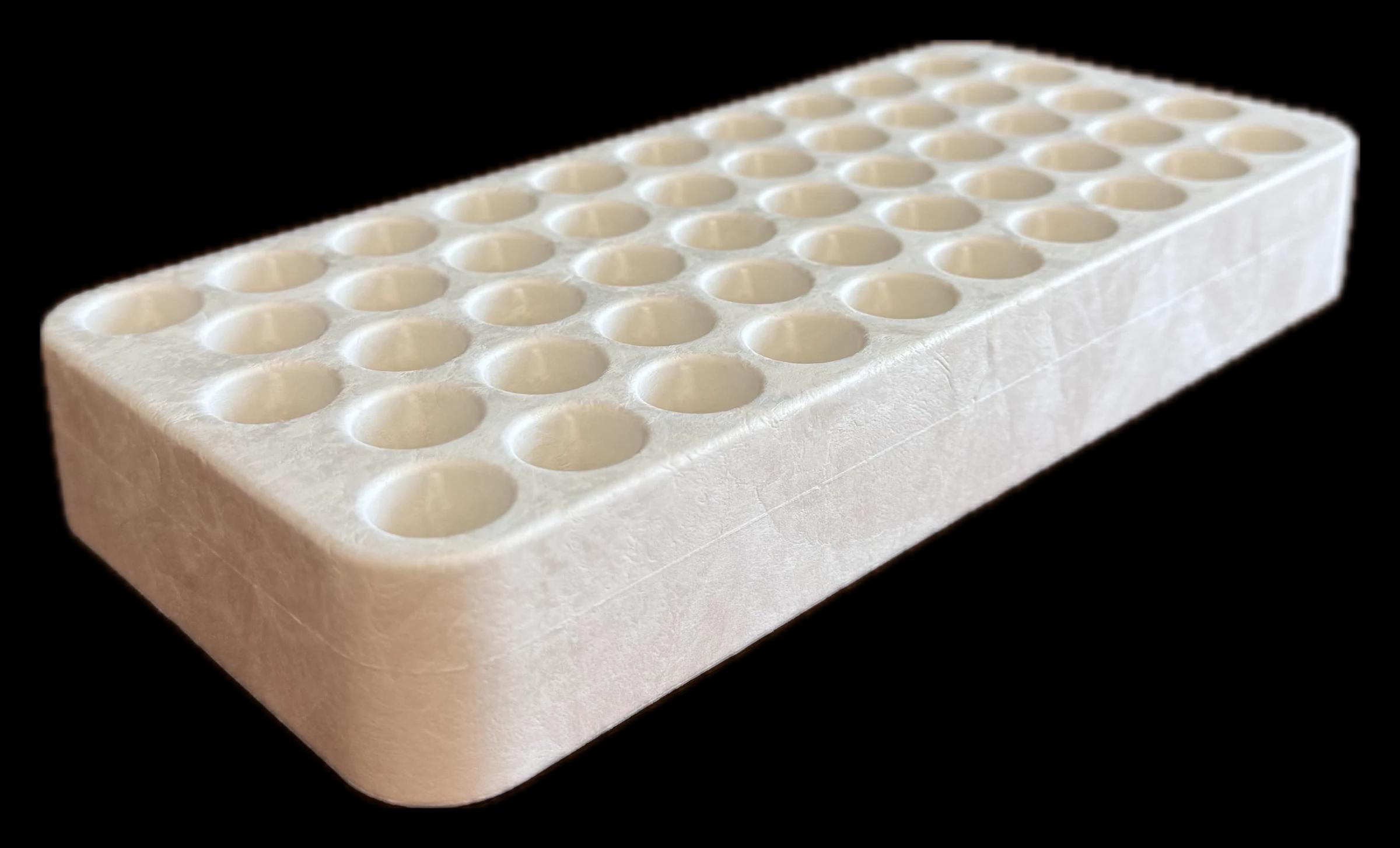
Formed trays and inserts for laboratory and medical products: vial racks and protective packaging that has been foam or plastic until now.
- Replaces
- Foam and plastic inserts (EPS, ABS, PVC)
- What it does
- Medical-grade · Precision-formed wells · Rigid and protective
- Status
- In development: vial trays with a global life-sciences manufacturer.
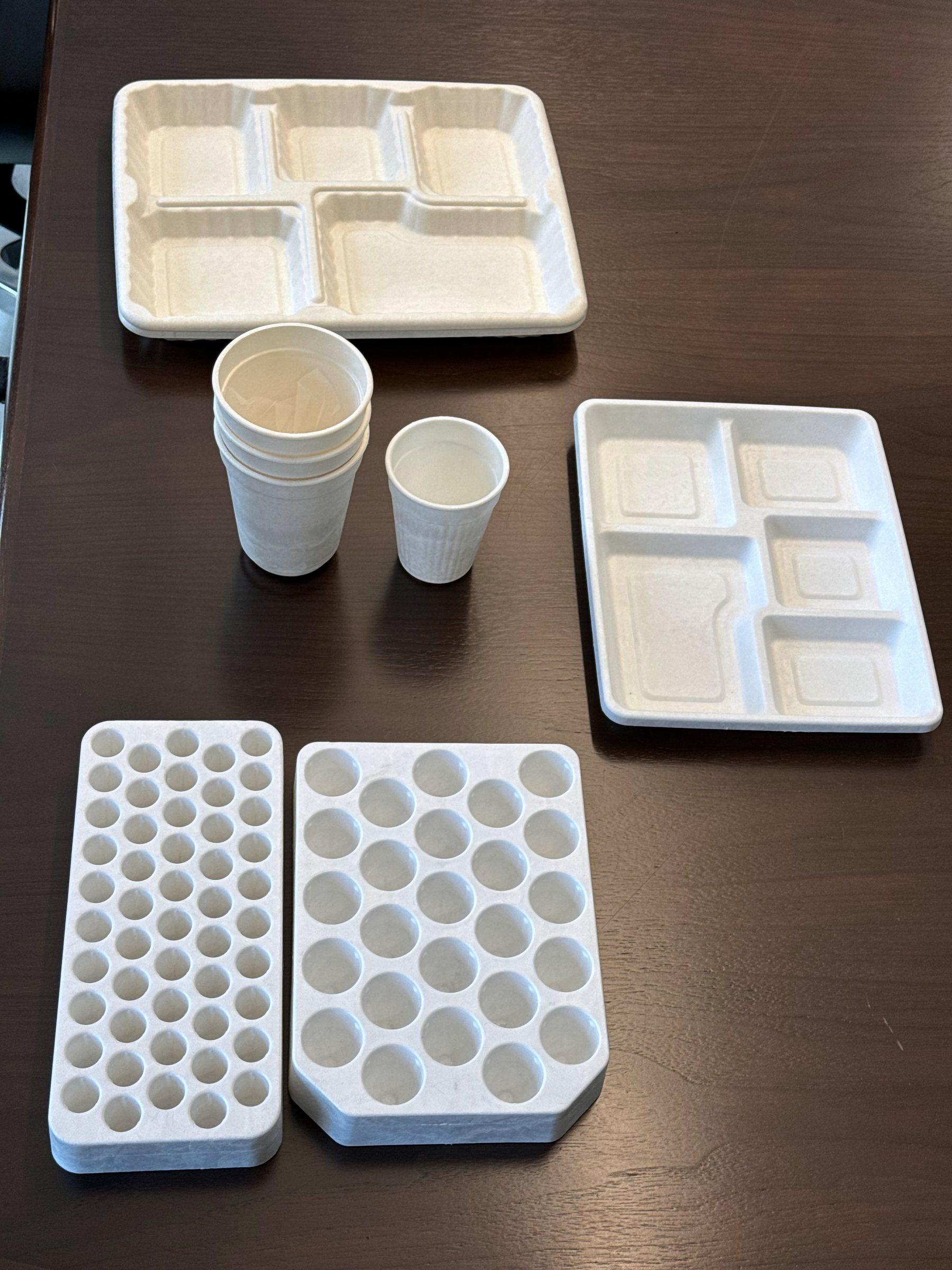
Made today.
The parts themselves, photographed. Every other picture on this page is a render.
The toolingsets the shape.
And more
The same material can be formed into most of what foam and single-use plastic are used for today. Manufacturers have asked about all of these.
01
Platters with lids
For example, the hot breakfast takeaway.
02
Takeaway containers
In place of foam soup containers and black plastic boxes with clear lids.
03
Burger clamshells
The foam clamshell, replaced.
04
Planting and harvesting containers
Agricultural trays and pots.
Easy adoption
You order the same part numbers from the same people.
Your supplier licenses StarFybr and adds a line. The purchase order, the relationship and the packing line it runs on stay where they are; the material changes.
How licensing works →What changes, and what does not
- Evanesce technology
- Licenses the formulation and the process, by product or by territory.
- Your supplier
- Adds a StarFybr line in the plant that already makes your part.
- You
- Order from the same people, to the same specification, on the same lines.
Composted after use, back to agricultural by-products
Evaluate
Tell us which product you need.
Start with the part you buy or make today in foam or plastic. We will tell you whether StarFybr is a fit.